Moss on Your Roof: The Okanagan Homeowner’s Guide to Safe Removal (and When It’s Time to Replace)
Green patches on your roof are not just ugly—they are moisture traps that quietly shorten the life of your shingles. This is the Okanagan homeowner’s guide to removing moss and mold safely, knowing when treatment is enough, and when it’s time to call a roofer.
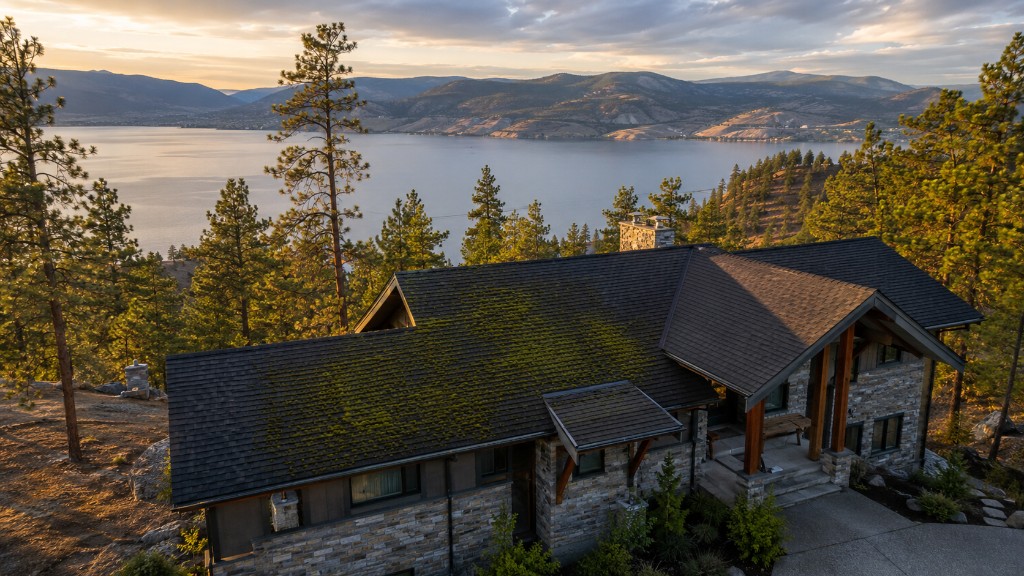
Moss thrives on shaded, north-facing slopes—especially on lakeside Okanagan homes surrounded by pine canopy.
In this guide
Quick answer
The safest way to remove moss from an asphalt shingle roof is soft-washing—a low-pressure application of roof-safe treatment (ARMA recommends a diluted bleach solution), never pressure washing. In Kelowna and the Okanagan, treat roofs under 20 years with flat shingles; replace when tabs curl, granules are gone, or leaks are active. Professional moss treatment · Roof replacement assessment
What is moss on a roof—and is it the same as mold?
Roof moss is a living plant that holds moisture against shingles; roof mold usually refers to algae streaks or attic moisture problems—not the same issue, and not always the same fix. Homeowners often say “mold on the roof,” but in the Okanagan what you’re usually looking at is a mix of:
Thick, spongy green growth that lifts shingle edges and holds water against the roof deck.
Dark streaks (often called “roof mold”) from blue-green algae feeding on limestone filler in shingles.
Crusty patches that bond tightly to granules—harder to remove without damage.
Usually a symptom of trapped moisture under failing shingles or in the attic—not just surface growth.
Why does this matter? The treatment is similar (gentle soft-wash), but the underlying risk is different. Thin algae streaks on a healthy 10-year-old roof? Usually a maintenance job. Thick moss bridging shingle tabs on a 22-year-old roof with curling edges? That’s a conversation about replacement—not just another cleaning.
Why Okanagan roofs grow moss faster than you expect
Kelowna gets more sun than Vancouver, but moss doesn’t care about averages. It cares about shade, moisture, and debris. North-facing slopes, tree canopy, clogged gutters, and valleys that stay damp after rain create perfect moss habitat.
Left alone, moss:
- Works under shingle edges and loosens the seal between tabs
- Traps moisture against asphalt, accelerating granule loss
- Freezes in winter, expanding and cracking brittle shingles
- Invites lichen, which bonds harder and is tougher to remove safely
ARMA guidance: The Asphalt Roofing Manufacturers Association warns that moss build-up can lead to shingle blow-off and premature roof failure—and explicitly advises against pressure washing asphalt shingles. Caught early, soft-wash treatment can add years to a healthy roof without voiding your warranty. For context on prevention methods, see our earlier guide on moss removal and prevention options.
What NOT to do
These “fixes” cost more than they save. If you remember one section, make it this one.
Never pressure-wash asphalt shingles
Strips protective granules, forces water under tabs, and voids GAF, Owens Corning, and CertainTeed warranties. ARMA explicitly warns against it.
Never use a wire brush or metal scraper
Gouges shingles, exposes the asphalt mat, and can void your warranty entirely. Even stiff nylon brushes lift granules on aging roofs.
Never ignore landscaping and runoff
Bleach-based treatments work only with proper dilution, dwell time, and plant protection. Strong solutions in gardens create problems you didn’t sign up for.
Rule of thumb: If a method relies on force—high pressure, hard scraping, harsh abrasion—it’s fighting your roof, not the moss.
How do you safely remove moss from a roof?
Soft-wash moss removal uses low-pressure spray and roof-safe chemistry to kill moss at the root—never a pressure washer on asphalt shingles. This is the only manufacturer-recommended approach for asphalt shingles: low-pressure application of roof-safe treatment that kills moss at the root, followed by gentle weathering-off—not blasting.
Walk the perimeter. Note moss thickness, lifted tabs, missing shingles, sagging ridges, granule buildup in gutters. Curling or cracked shingles? Stop—treatment won’t fix structural failure.
Pre-wet plants, cover landscaping, divert downspout runoff. Professional crews tarp and rinse as they go.
Soft-bristled brush, top to bottom—never scrub upward against shingle laps. Light growth can skip this step.
ARMA recommends 50:50 laundry-strength bleach and water via pump sprayer at 30–100 PSI. Allow 15–20 minutes dwell time. Moss loosens over subsequent weeks.
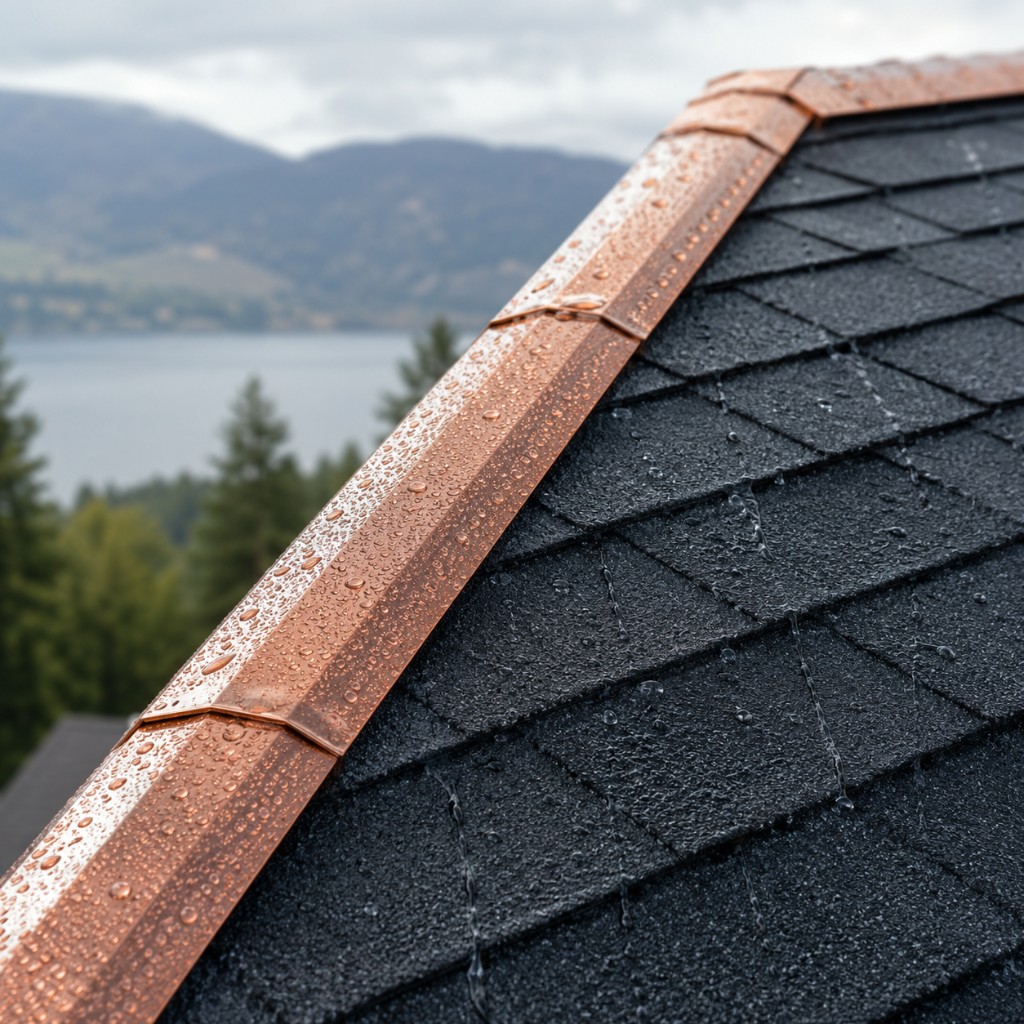
Zinc or copper ridge strips, trim branches, clear gutters, annual inspections. Cleaning without prevention means you’re back in 2–4 years.
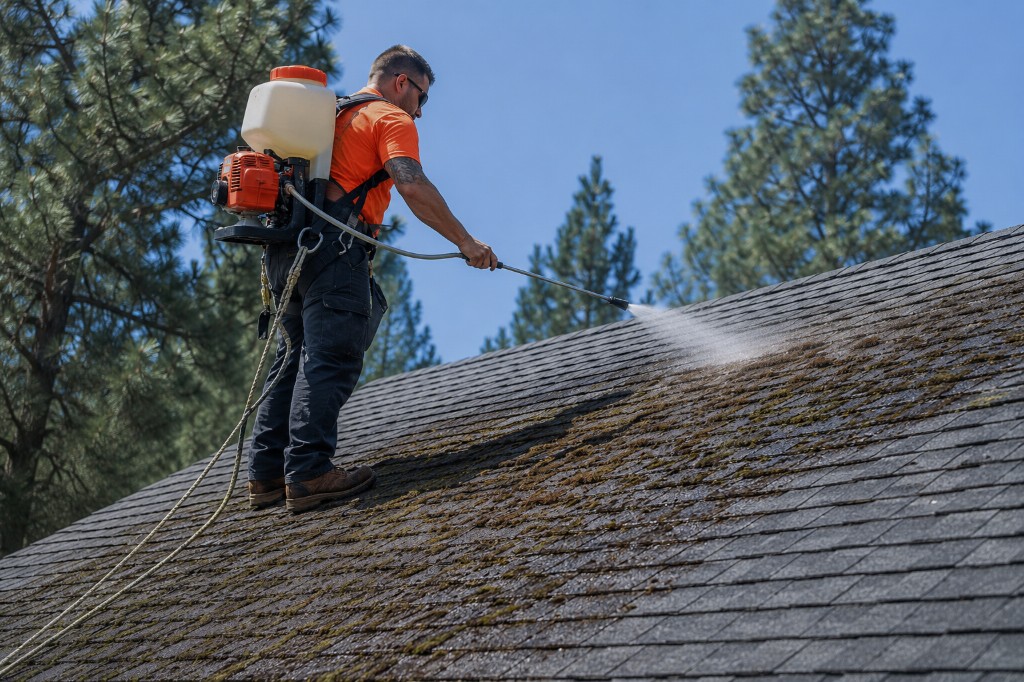
What happens when you hire Live Next Level
We built our moss program around what ARMA and shingle manufacturers actually allow—not what looks fastest from the street.
- Free roof assessment — Moss coverage, shingle condition, pitch, access. Honest answer upfront beats a cleaning you didn’t need.
- ARMA-approved soft-wash treatment — Professionally mixed sodium hypochlorite with surfactant at low pressure. Never a pressure washer on asphalt.
- Landscaping protection — Pre-wet and post-rinse vegetation. Solution doesn’t pool in valleys or pour into beds.
- Time-lapse results — Moss dies first, then sheds over 4–12 weeks. Gradual improvement without granule loss.
- 5-year limited warranty — Against return of moss, lichen, and algae on our recommended maintenance schedule.
DIY vs. professional: an honest comparison
When is moss treatment not enough?
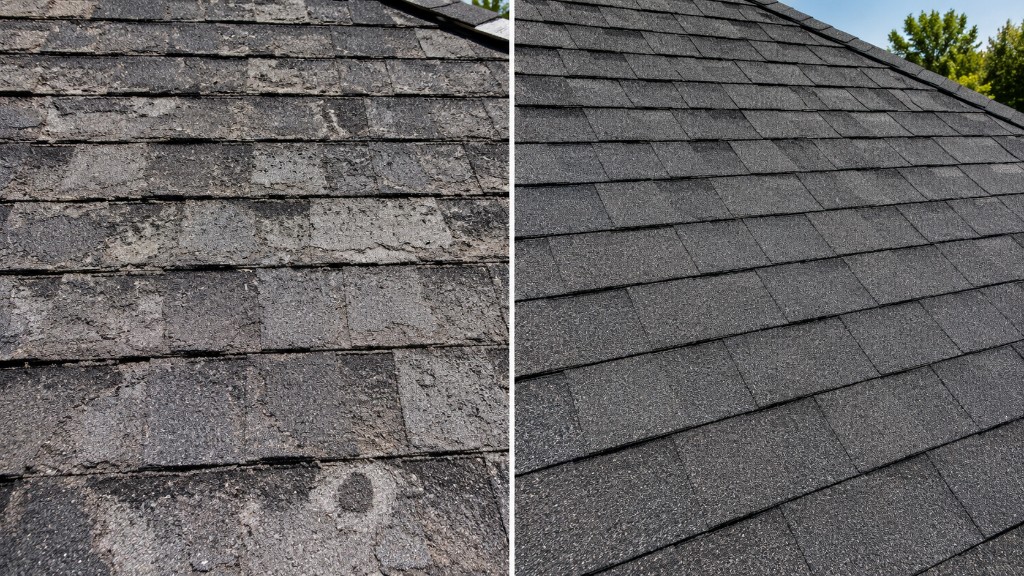
Replace your roof—not just clean it—when shingles are curling, granules are gone, the deck is soft, or you’re past 20–25 years with multiple failure zones. Moss removal preserves shingles that are still structurally sound. It doesn’t resurrect a roof that has already failed.
Should you treat moss or replace the roof? A simple decision guide
Signs you likely need replacement—not another cleaning:
- Widespread curling, cupping, or cracked shingles—especially on south and west exposures
- Shingle tabs lifting or unsealing where moss used to sit
- Heavy granule loss—gutters full of sand-like grit, bald spots from the ground
- Soft or sagging roof deck—visible dip in the ridge line
- Interior water stains or attic daylight
- Roof age past 20–25 years with multiple problem zones
- Repeated repairs every winter
If two or more describe your roof, schedule a roofing inspection before booking another moss treatment.
Expert perspective: Shawn Kennedy, Blue Jay Roofing
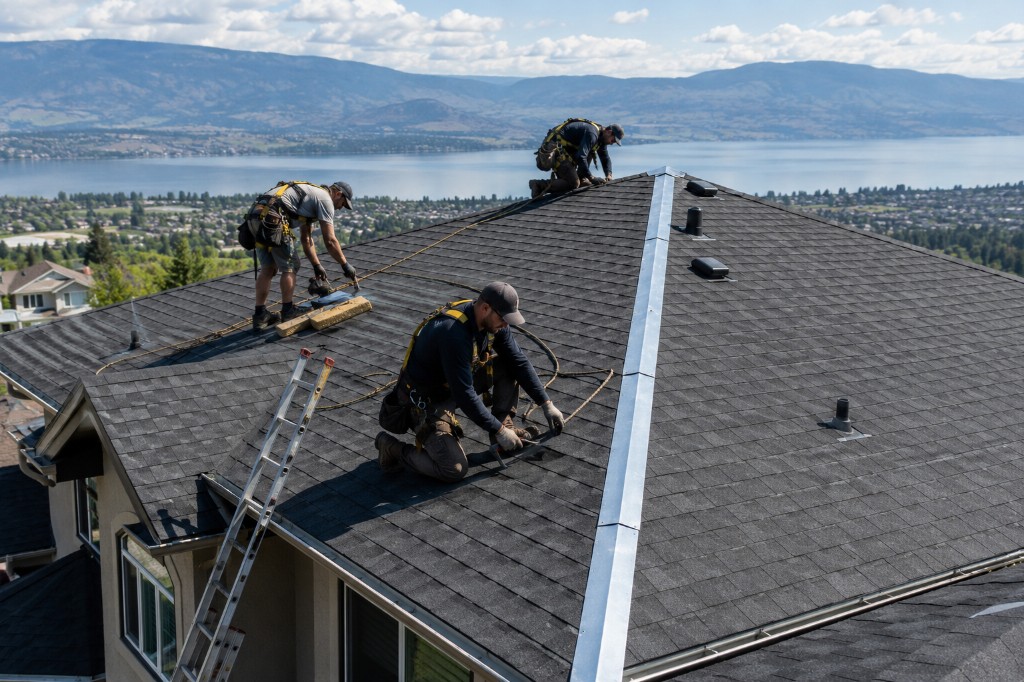
We asked Shawn Kennedy, roofing specialist with Blue Jay Roofing—a GAF Certified, family-owned contractor serving the Okanagan—for advice homeowners should hear before replacing a moss-damaged roof.
“Moss tells you a story about drainage and shade, but it doesn’t tell you the whole story. Before we talk shingles, we inspect the deck, ventilation, and flashing. If the plywood is sound and only the surface is worn, treatment and maintenance can buy you time. If tabs are lifting and granules are gone, a new roof is the investment—not another round of cleaning.”
— Shawn Kennedy, Blue Jay Roofing
Shawn’s tips for homeowners considering replacement
- Get a proper inspection, not a drive-by quote. A good roofer walks the attic, checks decking, and photographs problem areas.
- Fix ventilation before you blame the shingles. Poor attic airflow cooks shingles from below. Moss will come back no matter what you install.
- Choose algae-resistant shingles—even if moss was the visible problem.
- Install zinc or copper at the ridge during replacement. Cheaper at install than fighting regrowth five years later.
- Work with a GAF Certified contractor for warranty eligibility.
Shingle options with serious algae protection
Shawn recommends GAF Timberline HDZ® or Timberline UHDZ® shingles with StainGuard Plus™ or StainGuard Plus™ PRO for Okanagan homes—especially north-facing and lakeside properties.
Important nuance: These warranties cover blue-green algae discoloration—the black streaks on lighter shingles. They don’t replace professional moss removal. Moss is a separate maintenance issue tied to shade and moisture. Professional soft-wash cleaning remains an approved remedy under warranty terms—not a violation.
Considering replacement? Get a free estimate from West Kelowna’s GAF Certified roofer.
(250) 258-3009 · Tell them Live Next Level sent you
The smart homeowner playbook
FAQs
About the experts behind this guide
Written by
Brandon Gawdun — Founder, Live Next Level
Brandon built Live Next Level to bring professional exterior care—moss treatment, window cleaning, gutter cleaning, and soft-wash house washing—to homeowners across Kelowna, West Kelowna, Lake Country, and the Okanagan. Meet the founder →
Roofing guidance by
Blue Jay Roofing — GAF Certified, West Kelowna
Family-owned roofing contractor serving Kelowna, West Kelowna, Peachland, Lake Country, Vernon, and Penticton. GAF ID 1143220. Free estimates: (250) 258-3009
Sources & further reading
- ARMA — Algae & Moss Prevention and Cleaning for Asphalt Roofing Systems
- GAF — Residential Shingle Warranty Comparison (StainGuard Plus / PRO)
- Blue Jay Roofing — Kelowna & Okanagan roof replacement and repair
- Live Next Level — Moss Treatment Kelowna
- How much does moss treatment cost in Kelowna?
- Moss removal methods: brushing, zinc strips, soft-wash compared
Reviewed and last updated July 3, 2026. Contributed by Brandon Gawdun and the Live Next Level team — Kelowna’s trusted crew for moss treatment, gutter cleaning, and exterior care across the Okanagan. Roofing guidance in partnership with Blue Jay Roofing.